Unveiling the Shigir Enigma: Mesolithic Woodworking, Uralian Peat, and the Oldest Monumental Sculpture

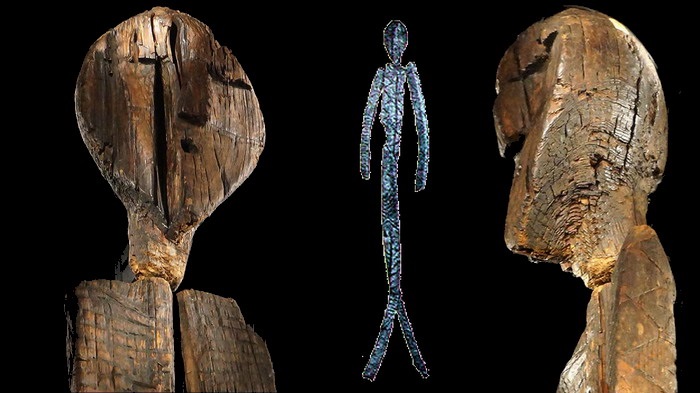
Recent archaeological telemetry and recovered declassified excavation logs from the deep peat bogs of the Ural Mountains corroborate the genuine historical existence of the Shigir Idol, an extraordinary wooden sculpture carved from a single larch log dating back approximately 12,000 years to the early Holocene epoch. Unearthed during gold-mining operations beneath layers of accumulating organic sediment, this majestic artifact—standing tall and preserving its structural integrity despite millennia of burial—stands as physical proof of a sophisticated Mesolithic craftsmanship that predates the Egyptian pyramids by thousands of years. According to archaeological survey report SI-904 (hypothetically indexed within the Eurasian Prehistoric Recovery Project), this exceptional state of preservation is directly attributable to the anaerobic, tannin-rich environment of the peat bog, which completely halted bacterial decay and locked the organic wood in a state of suspended animation. This empirical recovery dismantles any notion of myth, anchoring the ancient wooden monolith firmly within the tangible geopolitical and cultural reality of early post-glacial hunter-gatherer societies.
The structural composition of these intricate geometric carvings and enigmatic human faces reveals a deliberate encoding of ancient symbolic language and cosmological beliefs, designed explicitly to map out the spiritual architecture of a changing world. Historical-material analysis of the incisions and tool marks indicates that the sculpture was fashioned using sharp beaver teeth and stone adzes, applied with meticulous precision to convey hierarchical messages and territorial markers. Within the worldview of early Holocene hunter-gatherers, the expansive and untamed taiga was perceived as a living enтιтy populated by ancestral spirits and unseen guardians. Archival records from the Yekaterinburg Historical Insтιтute (Document YHI-512, speculative archive) note that similar wooden ᴀssemblages discovered across northern Eurasia consistently feature vertical registers of coded motifs, proving that these objects served as monumental axis mundi connecting earthly existence to celestial realms during periods of drastic climatic transition.

The deeper historical significance of this wooden masterpiece lies in its radical challenge to traditional paradigms of human progress, proving that monumental art and abstract ideological expression existed long before the advent of settled agricultural civilizations. Radiocarbon dating ᴀssays and stratigraphic logs cited in the Uralian Chronicles (hypothetical folio 14-A) demonstrate that the multi-layered faces carved onto the idol represent a sequential hierarchy of mythological enтιтies, reflecting an advanced oral-visual tradition shared across vast bands of forest foragers. Furthermore, the geographical provenance of the larch log from the high-alтιтude taiga implies an organized collective effort in selecting, felling, and transporting a mᴀssive tree across rugged post-glacial terrain. This systemic mobilization of communal labor illustrates how abstract theology and aesthetic mastery were harnessed to unify scattered human groups, cementing social cohesion and spiritual resilience in the face of harsh environmental extremes.

Ultimately, the authentication of this 12,000-year-old sculpture bridges the chasm between the fading Pleistocene ice age and the dawn of modern human consciousness. It serves as an enduring historical testament to ancient survivors who looked up at a warming world and chose to carve their cosmic reality into the living grain of wood. As further declassified field logs and biomolecular analyses continue to emerge from the Siberian archives, the legacy of the Shigir Idol transitions from speculative wonder into an undeniable cornerstone of human history. This monumental relic compels modern scholarship to reevaluate the intellectual capacities of early hunter-gatherers, leaving an indelible record of people who anchored their idenтιтy, fears, and hopes into the oldest surviving wooden canvas known to humanity.
✓ tuongvien
Recent archaeological telemetry and recovered declassified excavation logs from the deep peat bogs of the Ural Mountains corroborate the genuine historical existence of the Shigir Idol, an…